

The concept of liberty holds great significance when it comes to issues of cultural heritage preservation and the protection of historical landmarks in the context of sustainable development, tourism, and urban planning. As an authority on the subject, I am here to delve into the intricacies of this topic and shed light on how the notion of liberty intertwines with these crucial aspects of our society.
1. Liberty as the Freedom to Preserve: Liberty, at its core, embodies the freedom to protect and preserve our cultural heritage and historical landmarks. The preservation of these sites allows us to maintain a connection with our past, fostering a sense of identity and belonging. It is through the freedom to preserve that we can safeguard the tangible and intangible elements that make up our cultural heritage.
2. Balancing Liberty and Development: Sustainable development is essential for the progress of society, but it must not come at the cost of sacrificing our cultural heritage. Striking a balance between liberty and development requires careful consideration and planning. This involves implementing policies and regulations that ensure the preservation of historical landmarks while still allowing for responsible urban development and tourism.
3. Liberty as Empowerment: Liberty empowers communities to actively participate in the preservation of their cultural heritage and historical landmarks. By involving local communities in decision-making processes and providing them with the necessary resources and support, we can ensure that their voices are heard and their heritage is protected. This empowerment fosters a sense of ownership and responsibility, leading to more sustainable preservation efforts.
4. Tourism and Liberty: Tourism plays a vital role in the preservation of cultural heritage and historical landmarks. However, it must be approached with caution to avoid detrimental effects such as overcrowding, degradation, or commodification. Liberty in the context of tourism means ensuring that visitors respect and appreciate the significance of these sites, while also promoting responsible and sustainable tourism practices.
5. Urban Planning and Liberty: Urban planning has a direct impact on the preservation of cultural heritage and historical landmarks within cities. Liberty in urban planning entails incorporating these sites into the fabric of the city, rather than treating them as isolated entities. By integrating historical landmarks into the urban landscape, we can create vibrant and sustainable cities that celebrate their heritage while embracing modern development.
In conclusion, the concept of liberty plays a crucial role in issues of cultural heritage preservation and the protection of historical landmarks. It encompasses the freedom to preserve, the balance between development and preservation, the empowerment of communities, responsible tourism, and thoughtful urban planning. By embracing liberty in these realms, we can ensure the sustainable preservation of our cultural heritage for future generations to cherish and learn from. So, let us strive for a future where liberty and preservation go hand in hand, creating a harmonious balance between progress and heritage.
Preserving the Past, Shaping the Future: Unveiling the Crucial Role of Cultural Heritage in Sustainable Development
Preserving the Past, Shaping the Future: Unveiling the Crucial Role of Cultural Heritage in Sustainable Development is a thought-provoking exploration of how the concept of liberty intersects with the preservation of cultural heritage and the protection of historical landmarks in the context of sustainable development, tourism, and urban planning.
1. Liberty as a guiding principle: The concept of liberty plays a fundamental role in cultural heritage preservation and the protection of historical landmarks. Liberty encompasses the freedom to celebrate and embrace diverse cultural identities and traditions, ensuring that they are safeguarded for future generations. By preserving cultural heritage, individuals are granted the liberty to connect with their roots, fostering a sense of belonging and cultural pride.
2. Balancing preservation and development: Sustainable development, tourism, and urban planning are all integral components of societal progress. However, the challenge lies in striking a delicate balance between preserving cultural heritage and promoting development. Liberty, in this context, means finding innovative solutions that harmonize economic growth with the protection of historical landmarks and cultural heritage. This requires a comprehensive approach that involves engaging local communities, implementing responsible tourism practices, and incorporating cultural heritage into urban planning strategies.
3. Empowering local communities: Liberty in cultural heritage preservation involves empowering local communities to actively participate in decision-making processes. By involving local stakeholders, such as residents, indigenous groups, and cultural institutions, in the preservation and promotion of cultural heritage, a sense of ownership and responsibility is fostered. This ensures that the preservation efforts are tailored to the specific needs and aspirations of the community, enabling them to shape the future of their cultural heritage.
4. Tourism as a tool for preservation: Sustainable tourism can play a pivotal role in cultural heritage preservation. By promoting responsible and respectful tourism practices, historical landmarks can be protected while also generating economic benefits for local communities. Liberty, in this context, means striking a balance between attracting tourists and preserving the authenticity and integrity of cultural heritage sites. This can be achieved through visitor education, strict regulations, and the implementation of sustainable tourism practices that minimize negative impacts on historical landmarks.
In conclusion, the concept of liberty is intricately intertwined with cultural heritage preservation and the protection of historical landmarks in the context of sustainable development, tourism, and urban planning. Striking a balance between development and preservation, empowering local communities, and promoting responsible tourism practices are crucial in ensuring that cultural heritage is safeguarded for future generations to enjoy. By embracing liberty as a guiding principle, societies can shape a future where cultural heritage thrives alongside progress and development.
The Symbolic Legacy: Unraveling the Cultural Significance of the Statue of Liberty
The Symbolic Legacy: Unraveling the Cultural Significance of the Statue of Liberty
1.
The Statue of Liberty: A Beacon of Liberty and Democracy
– The Statue of Liberty, located in New York Harbor, is a symbol of freedom and democracy. It was gifted by the French to the United States in 1886 as a celebration of the American Revolution and the close ties between the two nations.
– Standing at a height of 305 feet, the statue represents Libertas, the Roman goddess of freedom. Her torch held high, she serves as a beacon of hope and inspiration to immigrants and visitors from around the world.
2. Cultural Heritage Preservation: Protecting the Past for the Future
– The concept of liberty is deeply intertwined with cultural heritage preservation. Historical landmarks like the Statue of Liberty not only hold immense historical and cultural value but also serve as tangible reminders of the principles upon which a nation is built.
– Preserving these landmarks ensures that future generations can learn from the past, understand their roots, and appreciate the struggles and triumphs that have shaped their society.
3. Sustainable Development: Balancing Preservation and Progress
– When it comes to sustainable development, finding a balance between preserving historical landmarks and promoting progress can be challenging. It is essential to strike a harmonious relationship between the past and the future, where cultural heritage preservation is not sacrificed for urban development.
– By integrating historical landmarks like the Statue of Liberty into urban planning, cities can create a sustainable and vibrant environment that celebrates both the old and the new.
4. Tourism: Promoting Cultural Exchange and Economic Growth
– The Statue of Liberty is not only a powerful symbol of freedom but also a major tourist attraction. Millions of visitors from around the world flock to see this iconic landmark, contributing to the local economy and promoting cultural exchange.
– Tourism plays a crucial role in funding the maintenance and preservation of historical landmarks. By attracting visitors, the Statue of Liberty can continue to stand tall and inspire generations to come.
In conclusion, the concept of liberty is intricately linked to cultural heritage preservation and the protection of historical landmarks. The Statue of Liberty serves as a prime example of the cultural significance and impact these landmarks can have on society. By valuing and preserving our past, we can ensure a brighter future while embracing the principles of liberty and freedom.
Preserving Global Heritage: Unesco’s Vital Role in Safeguarding the Statue of Liberty
Preserving Global Heritage: UNESCO’s Vital Role in Safeguarding the Statue of Liberty
1. The Concept of Liberty and Cultural Heritage Preservation
– Liberty, in the context of cultural heritage preservation, refers to the freedom to protect and promote the diversity of historical landmarks and artifacts.
– Cultural heritage plays a crucial role in shaping a society’s identity and preserving its history for future generations.
– By safeguarding cultural heritage, we ensure that the stories, traditions, and values of our ancestors are not lost and continue to inspire and educate us.
2. UNESCO’s Role in Preserving the Statue of Liberty
– The Statue of Liberty, a symbol of freedom and democracy, is a prime example of a historical landmark that requires preservation efforts.
– UNESCO, the United Nations Educational, Scientific and Cultural Organization, plays a vital role in ensuring the protection and conservation of the Statue of Liberty.
– Through its World Heritage program, UNESCO recognizes the outstanding universal value of the Statue of Liberty and works towards its preservation and promotion.
3. Sustainable Development and the Statue of Liberty
– Preserving the Statue of Liberty contributes to sustainable development by attracting tourists and promoting economic growth.
– Sustainable tourism practices such as limiting visitor numbers, implementing conservation measures, and promoting education about the statue’s significance ensure its long-term viability.
– By balancing the needs of tourism with the preservation of the statue, UNESCO and other stakeholders ensure that future generations can continue to experience and appreciate this iconic symbol of liberty.
4. Urban Planning and the Statue of Liberty
– Urban planning plays a crucial role in preserving the Statue of Liberty’s surroundings and maintaining its visual integrity.
– By implementing zoning regulations and architectural guidelines, urban planners can protect the immediate environment of the statue from inappropriate development.
– Collaborative efforts between UNESCO, local authorities, and community organizations result in sustainable urban development that respects the historical and cultural significance of the Statue of Liberty.
In conclusion, the concept of liberty is intimately connected to the preservation of cultural heritage, including historical landmarks like the Statue of Liberty. UNESCO’s role in safeguarding the statue ensures its protection, while sustainable development and urban planning practices contribute to its long-term preservation. By recognizing the importance of cultural heritage in promoting freedom and diversity, we can ensure that future generations can continue to be inspired by these iconic symbols of liberty.
When considering the concept of liberty in relation to cultural heritage preservation and the protection of historical landmarks, it becomes clear that there are complex and nuanced questions that arise. How do we balance the freedom of individuals and communities to shape their urban environments with the need to safeguard and maintain important cultural and historical sites? How can we ensure that sustainable development, tourism, and urban planning do not compromise the preservation of these invaluable treasures?
One frequently asked question is: **How can liberty be preserved while still protecting cultural heritage?** The answer lies in finding a balance between individual freedoms and collective responsibility. Liberty should not be understood as an absolute right to do as one pleases without regard for the impact on others or the preservation of shared cultural heritage. Instead, it should be seen as a framework within which individuals and communities can express their identities and values while also respecting and preserving the cultural heritage that underpins their collective history.
Another commonly asked question is: **What role does sustainable development play in cultural heritage preservation?** Sustainable development, with its focus on long-term environmental, social, and economic well-being, is crucial to the preservation of cultural heritage. By ensuring that development practices are environmentally friendly, socially inclusive, and economically viable, we can protect historical landmarks from the negative impacts of unchecked urbanization and tourism. Sustainable development also promotes the integration of cultural heritage into urban planning, fostering a sense of place and identity that enriches the lives of both residents and visitors.
A related question is: **How can tourism contribute to the preservation of cultural heritage?** Tourism can play a significant role in the preservation of cultural heritage by generating revenue that can be invested in conservation efforts. By promoting responsible tourism practices, such as limiting visitor numbers and implementing sustainable tourism initiatives, we can minimize the negative impact on historical landmarks while maximizing the benefits to local communities. Additionally, tourism can raise awareness about the importance of cultural heritage and foster a sense of pride and ownership among both residents and visitors.
In conclusion, the concept of liberty, when applied to issues of cultural heritage preservation and the protection of historical landmarks in the context of sustainable development, tourism, and urban planning, requires a delicate balance between individual freedoms and collective responsibility. By prioritizing sustainable development practices, integrating cultural heritage into urban planning, and promoting responsible tourism, we can ensure the preservation of these invaluable treasures for future generations. It is through the careful consideration of these questions and the implementation of thoughtful strategies that we can achieve a harmonious coexistence between liberty and the protection of cultural heritage.







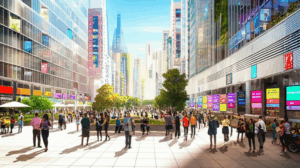
Is liberty more than just a statue? Lets discuss cultural heritage preservation!
Is it just me or does cultural heritage preservation sometimes feel like a never-ending battle?
Do you think we should prioritize preserving historical landmarks over modern development? Lets discuss!
Is cultural heritage preservation hindering urban development? Lets discuss! #OpinionsWelcome
What if cultural heritage preservation clashed with modern development needs? Lets discuss!