
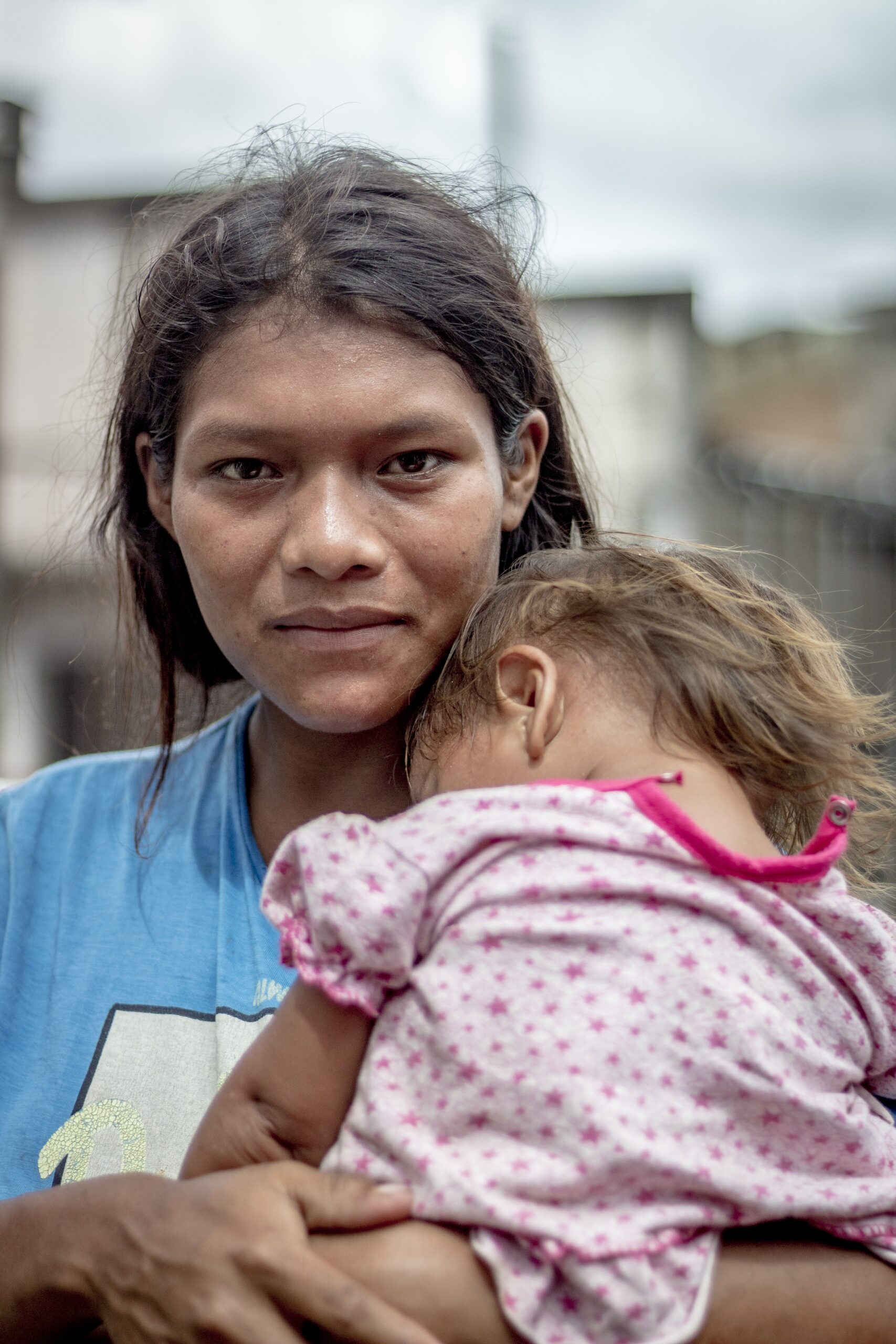
How does the concept of liberty apply to issues of cultural preservation and the protection of indigenous languages and traditions in the context of cultural exchange, international collaboration, and indigenous rights advocacy? This is a complex and multifaceted question that requires a deep understanding of the interplay between liberty, cultural preservation, and indigenous rights. As an authority on the subject, I will delve into this topic using a listicle framework to provide a comprehensive analysis.
1. Liberty as a Foundation for Cultural Preservation:
Liberty, as a fundamental human right, serves as the bedrock for cultural preservation. The concept of liberty encompasses the freedom for individuals and communities to express, practice, and maintain their unique cultural identities. Recognizing and respecting this liberty is crucial in ensuring the protection of indigenous languages and traditions.
2. Cultural Exchange as a Catalyst for Liberty:
Cultural exchange plays a vital role in promoting liberty and fostering understanding between different cultures. By engaging in cultural exchange, societies can learn from one another, celebrate diversity, and challenge prejudices. It allows for the preservation of indigenous languages and traditions while encouraging the free flow of ideas and experiences.
3. International Collaboration for Cultural Preservation:
International collaboration is essential for the protection of indigenous languages and traditions. Nations must work together to create frameworks that safeguard the rights of indigenous communities. This collaboration can take the form of cultural exchange programs, sharing best practices, and supporting initiatives that empower indigenous communities to preserve their cultural heritage.
4. Indigenous Rights Advocacy and Liberty:
Indigenous rights advocacy is intricately linked to the concept of liberty. Advocates fight for the recognition and protection of the rights of indigenous communities, including their right to maintain their languages and traditions. By advocating for indigenous rights, we uphold the principles of liberty and ensure that all individuals have the freedom to preserve their cultural identities.
5. Challenges and Solutions:
Despite efforts to protect indigenous languages and traditions, numerous challenges persist. One major challenge is the encroachment of globalization, which often erodes cultural diversity. Additionally, the marginalization and discrimination faced by indigenous communities can threaten their ability to preserve their cultures. To address these challenges, it is crucial to empower indigenous communities, promote inclusive policies, and provide resources for language revitalization programs.
In conclusion, the concept of liberty is intricately intertwined with cultural preservation, the protection of indigenous languages, and traditions. By recognizing and respecting the liberty of individuals and communities, fostering cultural exchange, promoting international collaboration, and advocating for indigenous rights, we can ensure the preservation and protection of diverse cultural heritages. It is through these efforts that we can safeguard the invaluable contributions of indigenous communities to our shared human tapestry.
Preserving Cultural Heritage: The Significance of Embracing Local Language for Indigenous Concepts
Preserving Cultural Heritage: The Significance of Embracing Local Language for Indigenous Concepts
1. Introduction:
– Cultural preservation is a crucial aspect of maintaining a society’s identity and heritage.
– The protection of indigenous languages and traditions plays a vital role in preserving cultural heritage.
– In the context of cultural exchange, international collaboration, and indigenous rights advocacy, the concept of liberty is closely tied to the preservation of cultural heritage.
2. Liberty and Cultural Preservation:
– Liberty encompasses the freedom to express one’s cultural identity without fear of assimilation or erasure.
– Indigenous communities have the right to preserve their languages and traditions as an integral part of their cultural heritage.
– The concept of liberty emphasizes the importance of respecting and valuing diverse cultural expressions, including indigenous languages.
3. Indigenous Languages and Cultural Exchange:
– Embracing local languages in cultural exchange programs fosters a deeper understanding and appreciation of indigenous cultures.
– Preserving indigenous languages allows for the transmission of traditional knowledge, beliefs, and practices to future generations.
– By incorporating local languages into cultural exchange, we can bridge cultural gaps and promote mutual respect and understanding.
4. International Collaboration and Indigenous Rights Advocacy:
– International collaboration plays a significant role in the protection and preservation of indigenous languages and traditions.
– Collaborative efforts can include language revitalization programs, cultural exchange initiatives, and policy advocacy.
– Upholding indigenous rights, including the right to preserve languages and traditions, is essential in ensuring cultural diversity and inclusivity.
5. The Significance of Embracing Local Language for Indigenous Concepts:
– Indigenous concepts are deeply rooted in local languages, and by embracing these languages, we honor and preserve their cultural significance.
– Local languages provide a unique perspective and understanding of indigenous concepts that may not be easily translated into other languages.
– Embracing local languages allows for the full expression and appreciation of indigenous concepts, contributing to the richness and diversity of global heritage.
In conclusion, the concept of liberty extends to the preservation of cultural heritage, including the protection of indigenous languages and traditions. Embracing local languages in cultural exchange, international collaboration, and indigenous rights advocacy is essential for maintaining and celebrating cultural diversity. By recognizing the significance of local languages for indigenous concepts, we can ensure the preservation of cultural heritage for future generations.
Preserving Native Languages: Unlocking Cultural Heritage and Strengthening Global Diversity
Preserving Native Languages: Unlocking Cultural Heritage and Strengthening Global Diversity
1. The concept of liberty in cultural preservation: How does it apply to the protection of indigenous languages and traditions in the context of cultural exchange, international collaboration, and indigenous rights advocacy?
– Liberty, in the context of cultural preservation, refers to the freedom of indigenous communities to maintain and protect their native languages and traditions without external interference or suppression. It recognizes the fundamental rights of these communities to express and celebrate their unique cultural heritage.
– Cultural exchange plays a crucial role in preserving native languages and traditions. By engaging in cultural exchange, different communities can learn from each other, share knowledge, and promote understanding. This exchange can help to break down barriers and foster appreciation for the diversity of human languages and cultures.
– International collaboration is essential for the preservation of native languages and traditions. By working together, governments, organizations, and communities can develop strategies and initiatives to support language revitalization efforts. Collaboration also ensures that indigenous rights are respected and protected on a global scale.
– Indigenous rights advocacy is closely linked to the preservation of native languages and traditions. Advocating for indigenous rights involves fighting against discrimination, promoting cultural autonomy, and ensuring that indigenous communities have the freedom to practice and pass on their languages and traditions to future generations.
2. The significance of preserving native languages and traditions: Why is it important for the cultural heritage and global diversity?
– Preserving native languages and traditions is crucial for the cultural heritage of indigenous communities. Language is not only a means of communication but also a carrier of cultural identity, values, and knowledge. By preserving their languages, indigenous communities can maintain their cultural heritage and pass it on to future generations.
– Native languages and traditions contribute to global diversity by adding richness and variety to the world’s cultural tapestry. Each language represents a unique way of understanding and interacting with the world. By preserving native languages, we ensure that diverse perspectives and ways of life are preserved and celebrated.
– The loss of native languages and traditions can have a detrimental impact on indigenous communities. It can lead to a loss of cultural identity, as well as a disconnection from ancestral knowledge and practices. Preserving native languages and traditions is therefore essential for the well-being and self-determination of indigenous communities.
– Furthermore, the preservation of native languages and traditions can foster intercultural understanding and promote respect for cultural diversity. It allows for meaningful exchanges and interactions between different cultures, leading to a more inclusive and harmonious global society.
In conclusion, the concept of liberty applies to the protection of indigenous languages and traditions by recognizing the rights of indigenous communities to preserve their cultural heritage. Preserving native languages and traditions is significant for both the cultural heritage of indigenous communities and the global diversity of cultures. By upholding these languages and traditions, we ensure the preservation of cultural identity, promote intercultural understanding, and support the rights and well-being of indigenous communities.
Preserving the Past, Empowering the Future: Strategies to Safeguard the Rights of Indigenous Peoples
Preserving the Past, Empowering the Future: Strategies to Safeguard the Rights of Indigenous Peoples is a comprehensive report that addresses the intersection of the concept of liberty with issues of cultural preservation, the protection of indigenous languages and traditions, and indigenous rights advocacy in the context of cultural exchange and international collaboration. The report delves into various strategies and approaches that can be employed to ensure the rights and well-being of indigenous peoples are upheld while promoting cultural diversity and inclusivity.
1. The Importance of Cultural Preservation:
The report highlights the significance of cultural preservation in safeguarding the rights of indigenous peoples. It emphasizes that cultural preservation is not just about preserving artifacts and traditions, but also about protecting the identity, knowledge, and heritage of indigenous communities. By preserving their culture, indigenous peoples can maintain their distinctiveness and strengthen their sense of belonging, which is crucial for their overall well-being and self-determination.
2. Indigenous Languages and Traditions:
One of the key focuses of the report is on the protection of indigenous languages and traditions. It emphasizes that language is not only a means of communication but also a repository of cultural knowledge and identity. The report suggests that promoting bilingual education, providing resources for language revitalization, and supporting indigenous-led initiatives can help preserve and revitalize indigenous languages. It also emphasizes the importance of respecting and valuing indigenous traditions, practices, and knowledge systems, which often hold valuable insights for sustainable development and environmental stewardship.
3. Cultural Exchange and International Collaboration:
The report acknowledges the role of cultural exchange and international collaboration in promoting understanding, respect, and mutual learning between indigenous and non-indigenous communities. It emphasizes the importance of ensuring that cultural exchange is conducted in a manner that respects indigenous rights, consent, and autonomy. The report suggests that collaboration should be based on principles of equality, reciprocity, and shared decision-making, with indigenous peoples playing a central role in shaping the narrative and direction of cultural exchange initiatives.
4. Indigenous Rights Advocacy:
The report recognizes the importance of indigenous rights advocacy in ensuring the protection and promotion of indigenous peoples’ rights. It highlights the need for legal frameworks that recognize and protect indigenous rights, including land rights, self-governance, and the right to free, prior, and informed consent. The report also emphasizes the importance of empowering indigenous communities to actively participate in decision-making processes that affect their lives, lands, and resources. It calls for the involvement of indigenous peoples in policy development, implementation, and evaluation to ensure their voices are heard and their rights are respected.
In conclusion, Preserving the Past, Empowering the Future: Strategies to Safeguard the Rights of Indigenous Peoples provides a comprehensive analysis of the concept of liberty in relation to cultural preservation, the protection of indigenous languages and traditions, international collaboration, and indigenous rights advocacy. The report offers valuable insights and recommendations for promoting cultural diversity, inclusivity, and the rights of indigenous peoples in a rapidly changing world.
How does the concept of liberty apply to issues of cultural preservation and the protection of indigenous languages and traditions in the context of cultural exchange, international collaboration, and indigenous rights advocacy? This is a complex question that requires careful consideration of the principles of liberty and how they intersect with the preservation of cultural heritage.
**What role does liberty play in cultural preservation?**
Liberty, at its core, is about the freedom to express oneself and live according to one’s own beliefs and traditions. When it comes to cultural preservation, liberty is essential in ensuring that indigenous communities have the freedom to practice and pass on their languages, traditions, and way of life to future generations. Without liberty, these communities may face pressures to conform to dominant cultures or lose their unique identities.
**How does international collaboration impact cultural preservation?**
International collaboration can both support and challenge efforts in cultural preservation. On one hand, collaboration can facilitate the exchange of knowledge, resources, and best practices, allowing indigenous communities to learn from others and strengthen their preservation efforts. On the other hand, international collaboration can also lead to the dilution or commodification of indigenous cultures, where traditional practices are altered or exploited for commercial gain. Striking a balance that respects the autonomy and rights of indigenous communities while fostering cross-cultural understanding is crucial.
**What is the relationship between cultural exchange and the protection of indigenous languages and traditions?**
Cultural exchange can be a valuable tool for the protection of indigenous languages and traditions. By engaging in dialogue and sharing cultural practices, different communities can gain a deeper understanding and appreciation for one another. This exchange can create opportunities for the revitalization and preservation of indigenous languages and traditions, as well as foster mutual respect and cooperation.
**How does indigenous rights advocacy intersect with cultural preservation?**
Indigenous rights advocacy plays a vital role in cultural preservation by advocating for the recognition and protection of indigenous knowledge, languages, and traditions. It highlights the importance of respecting the rights of indigenous communities to self-determination, land, and resources, which are essential for the preservation of cultural heritage. Indigenous rights advocacy also seeks to address historical injustices and promote social and economic empowerment for indigenous peoples.
In conclusion, the concept of liberty is central to issues of cultural preservation and the protection of indigenous languages and traditions. It encompasses the freedom of indigenous communities to practice and pass on their cultural heritage, while also recognizing the importance of international collaboration, cultural exchange, and indigenous rights advocacy. Striking a balance between these factors is crucial for ensuring the preservation of diverse cultures and the empowerment of indigenous communities in a rapidly changing world.








I think embracing local languages is key to preserving indigenous heritage. Agree or disagree?
Should indigenous languages be prioritized over global communication for cultural preservation? Share your thoughts!
What if we prioritize indigenous languages over dominant ones for a change?
Should indigenous languages be mandatory in schools worldwide? Embrace diversity or preserve heritage?
Is protecting indigenous languages more important than embracing global diversity? Lets discuss!